
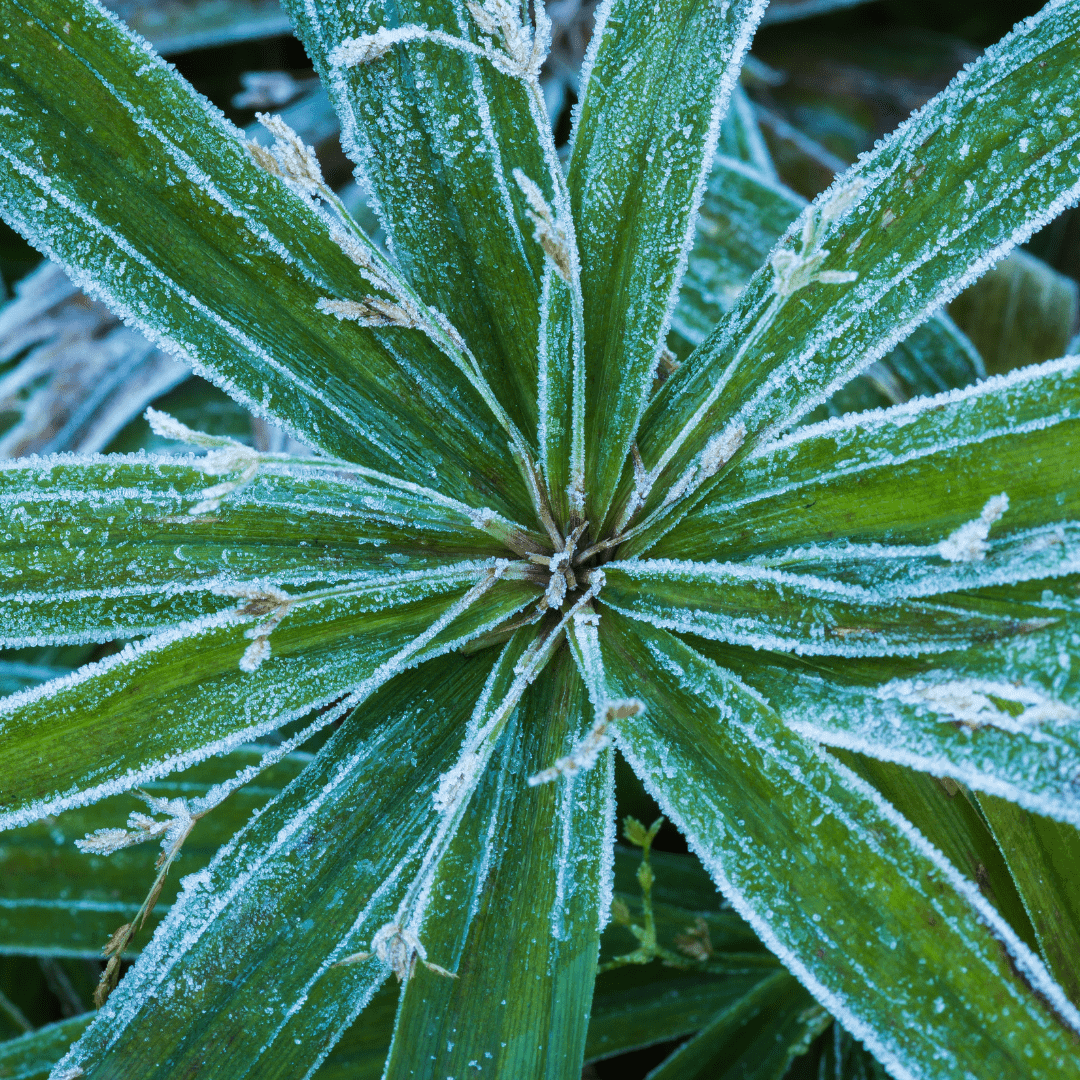
- Plastic is typically lightweight and easy to use while covering your plant materials. However, if it is laid directly on top of plants, there is no insulation and this is where damage can occur. In addition, heat can build up under plastic if the temperature rises and the sun is out. It is important to remove the plastic at that point, or ventilate. You can use stakes to prevent both of these issues while using plastic to protect plants during cold snaps. Fabric - Using things that you already have on hand like old blankets, sheets, or landscape fabric can also be used to protect sensitive plants. The advantage of this is that air is trapped in the fibers and provides better insulation so plants are less likely to be damaged. If rain is on the forecast, this can weigh down the fabric and potentially cause damage, you can prevent this by using stakes to hold the fabrics up or removing beforehand. Any material used should go down to the ground and held by rocks, pots, etc. The heat from the earth is what helps protect your plants. You may also layer materials for extra protection during particularly cold days and nights.
Your Next Read
View all-

DIY Raised Beds for Vegetables and Herbs
Raised beds make it easier to grow healthy vegetables and herbs by giving you greater control over soil, drainage, and garden design. Learn how to build a raised bed, what...
Veda Broderick |
-

July's Red, White, and Bloom Collection
Inspired by America's 250th anniversary, Liberty's July Red, White & Bloom collection features coordinated plants and landscape materials that bring classic summer color and lasting curb appeal to North Florida...
Veda Broderick |
-

A Summer Reading List for Gardeners
Looking for inspiration this summer? From practical Florida gardening guides to books on native plants and design, this reading list is perfect for anyone looking to learn, plan, and get...
Veda Broderick |
-
What Not to Do With Your Yard in the Florida Summer Heat
Florida summer heat can be tough on your yard — and the wrong moves can make it worse. Learn what to avoid so you can protect your landscape, prevent damage,...
Veda Broderick |
-
The Secret to Long-Lasting Sod
Get the most out of your new sod with simple, effective care tips. From proper installation and watering to long-term maintenance, this guide helps you keep your lawn healthy, rooted,...
Veda Broderick |
-
How to Build a Backyard Oasis Without Breaking the Bank
Turn your backyard into a relaxing retreat without overspending. From defining spaces to layering plants and adding simple features like lighting or a fire pit, these tips make creating your...
Veda Broderick |
-
Tips for Keeping Potted Plants Healthy Year-Round
Keep your container plants thriving through every season with simple, proven care tips. From choosing the right pot and soil to watering, fertilizing, and refreshing growth, this guide breaks down...
Veda Broderick |
-

How to Pair Plants and Rock for a Cohesive Landscape
Not sure which rock works best with your plants? From bold contrasts to natural blends, learn how to pair color, texture, and materials to create a landscape that looks cohesive...
Veda Broderick |


