
Milkweed
Delivery and Shipping
Delivery and Shipping
Delivery timeframes are estimates and are not guaranteed. Please note that delivery is to the end of the truck only and does not include installation. For additional details, please review our full Shipping and Delivery Policy.
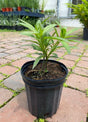
Milkweed
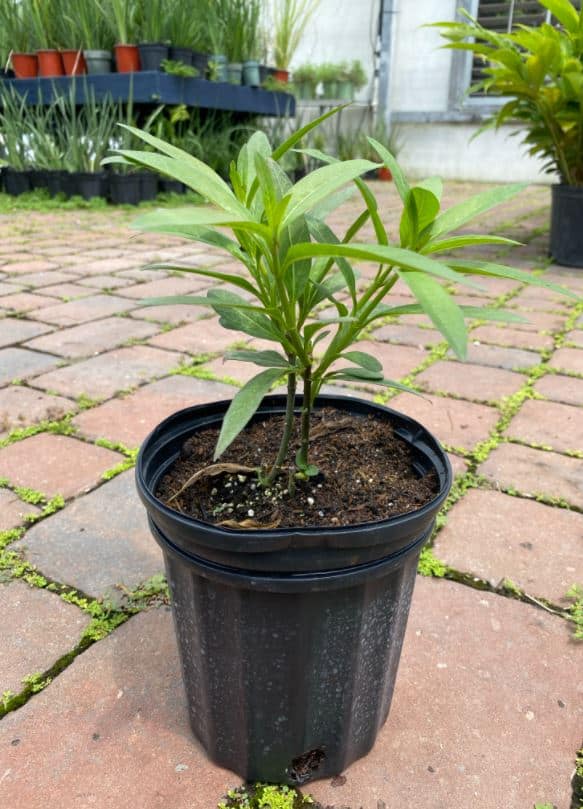
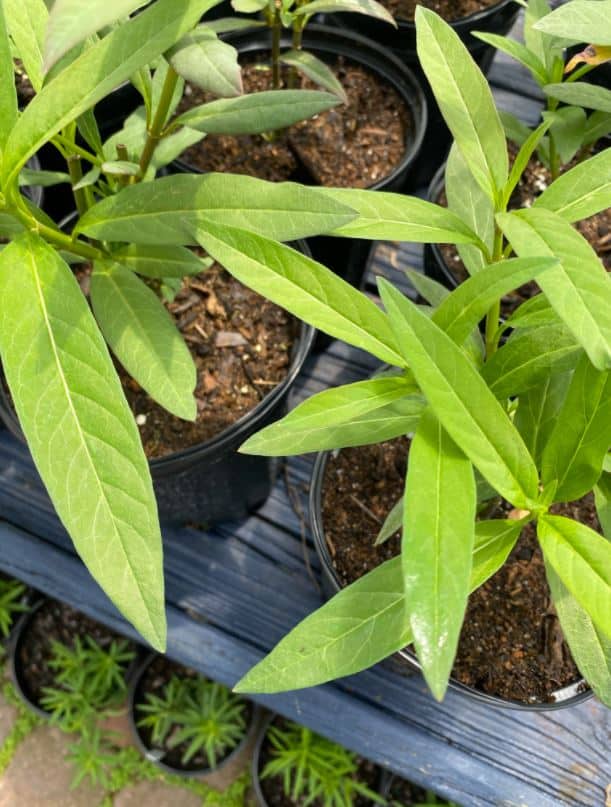
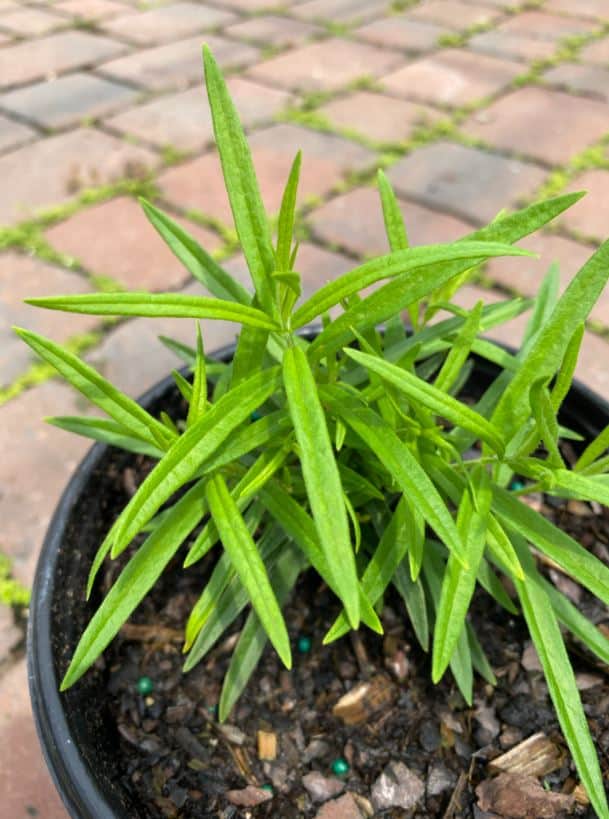
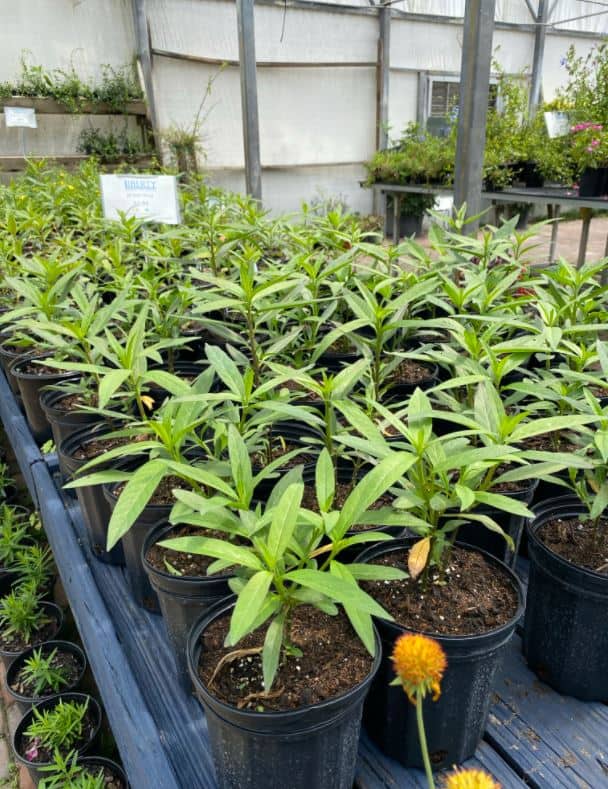
Milkweed (Asclepias spp.) is a flowering plant known for its clusters of nectar-rich blooms and importance to pollinators, especially monarch butterflies. Flowers may appear in shades of orange, pink, red, yellow, or white depending on the species. Its upright growth habit and long bloom season make it a valuable addition to garden beds, borders, and pollinator gardens where it provides both color and ecological benefit.
Care Needs:
• Light: Full sun
• Water: Water regularly until established; once established, most species tolerate drier conditions
• Pruning: Remove spent flower clusters to encourage additional blooms and control self-seeding if desired
• Fertilizer: Fertilizer is generally not necessary; apply a light balanced fertilizer in poor soils if needed
Tips: Be sure to look for caterpillars!
Attributes
-
Plant TypeAnnual | Perennial
-
USDA Zone3 - 9
-
OriginNorth and South America
-
ToxicityToxic if ingested. Sap may irritate skin
-
Mature Height2-4 feet
-
Mature Width1-3 feet
-
Soil PreferenceWell-drained soil; tolerates sandy soils
-
Spacing18-24 inches
-
Growth RateModerate
-
Critter ResistantSomewhat
-
Salt ToleranceLow
-
Cold ToleranceHigh
-
FloweringYes
-
Bloom PeriodLate spring through summer
-
Flower ColorOrange | Pink | Red | Yellow | White
-
Stem ColorGreen
-
Foliage ColorGreen

