Perennial Peanut
Delivery and Shipping
Delivery and Shipping
Delivery timeframes are estimates and are not guaranteed. Please note that delivery is to the end of the truck only and does not include installation. For additional details, please review our full Shipping and Delivery Policy.
Perennial Peanut
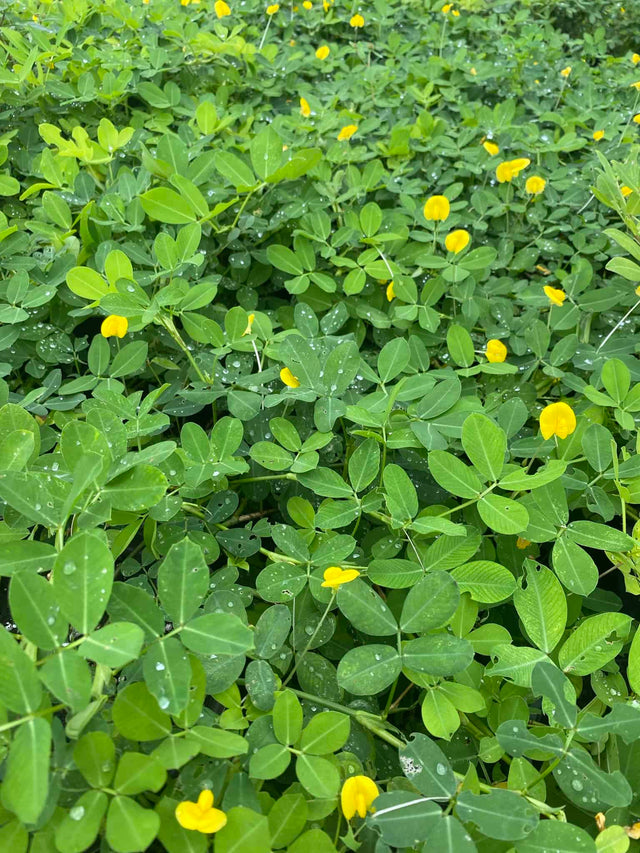
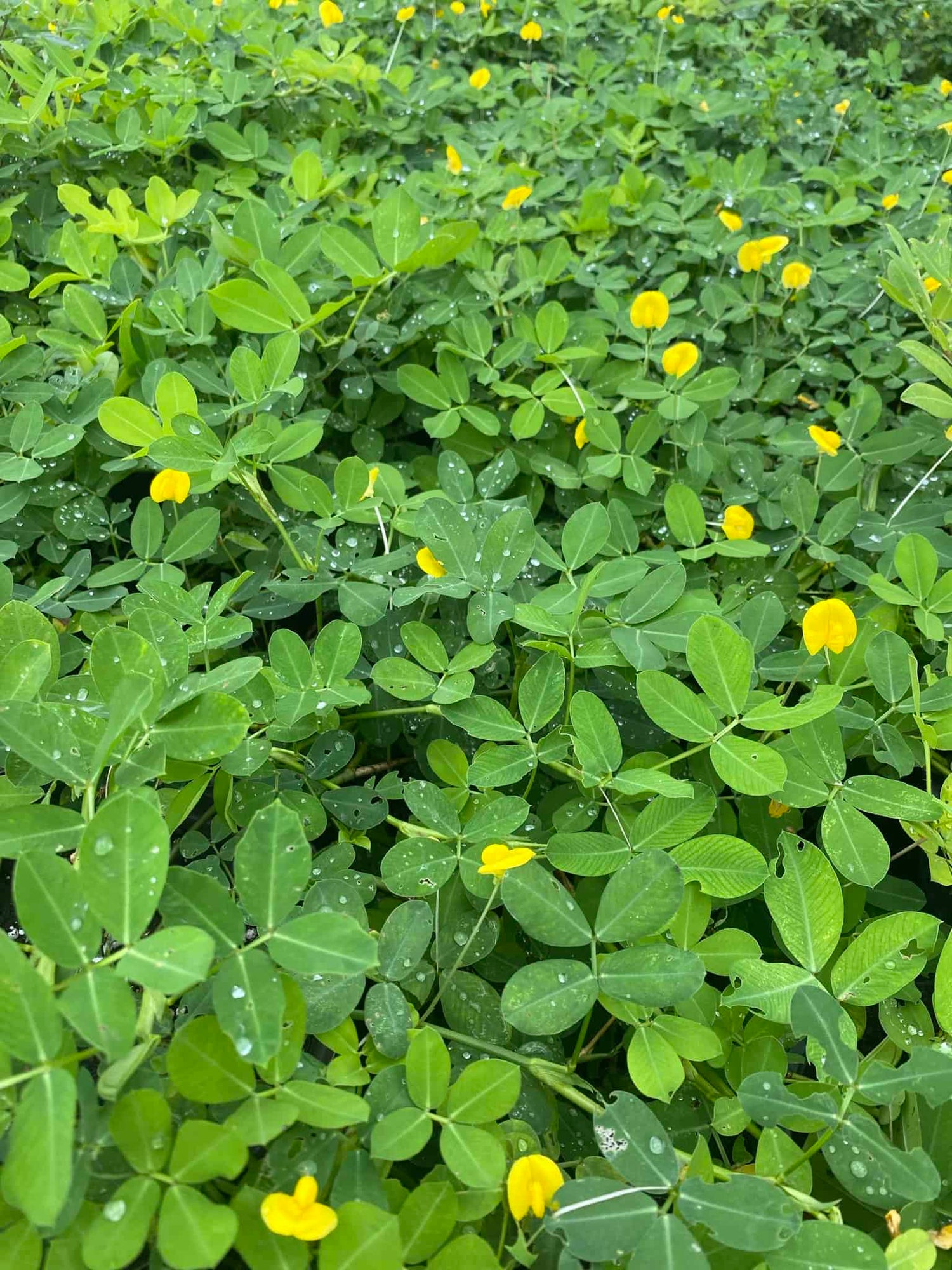
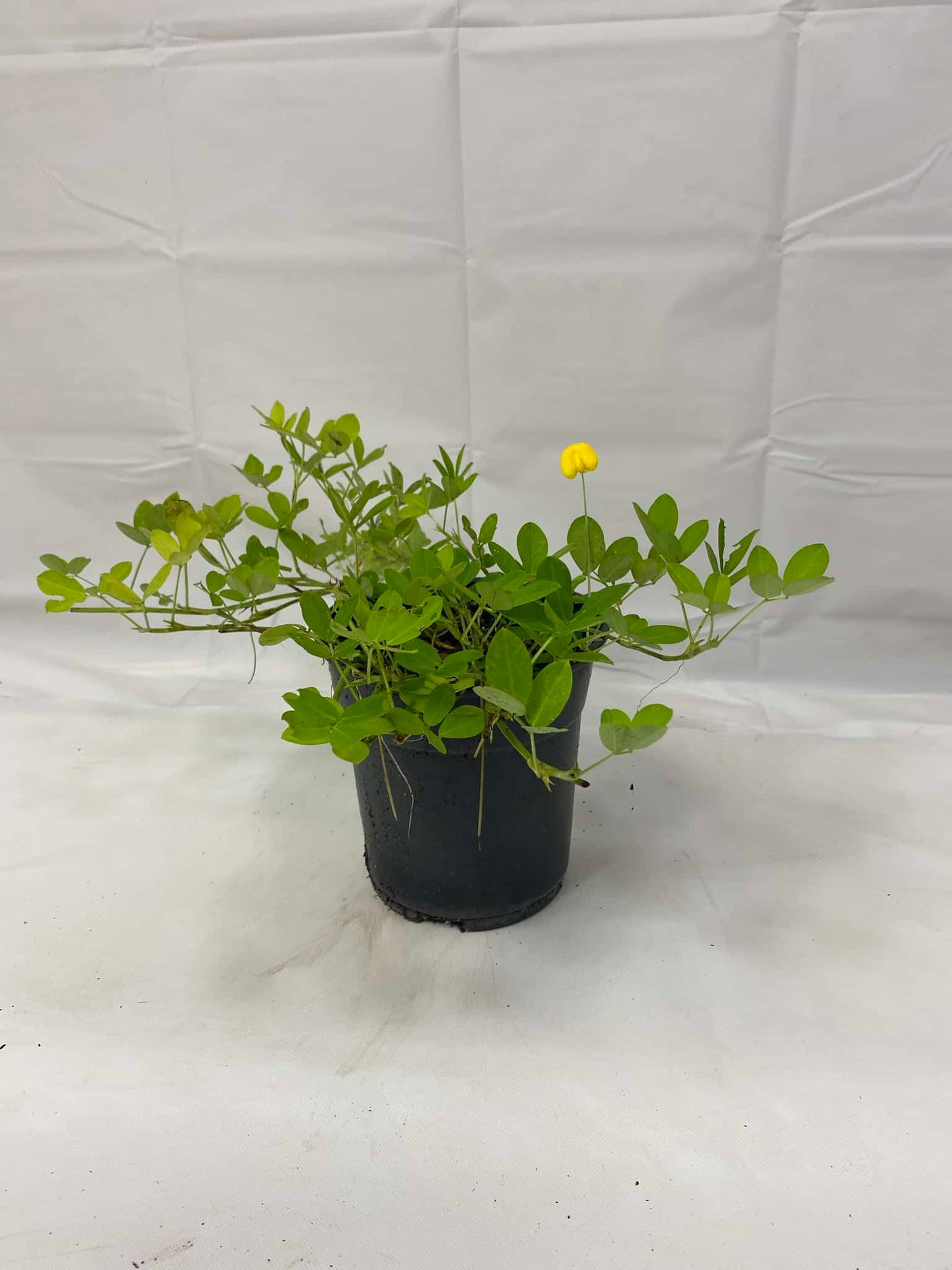
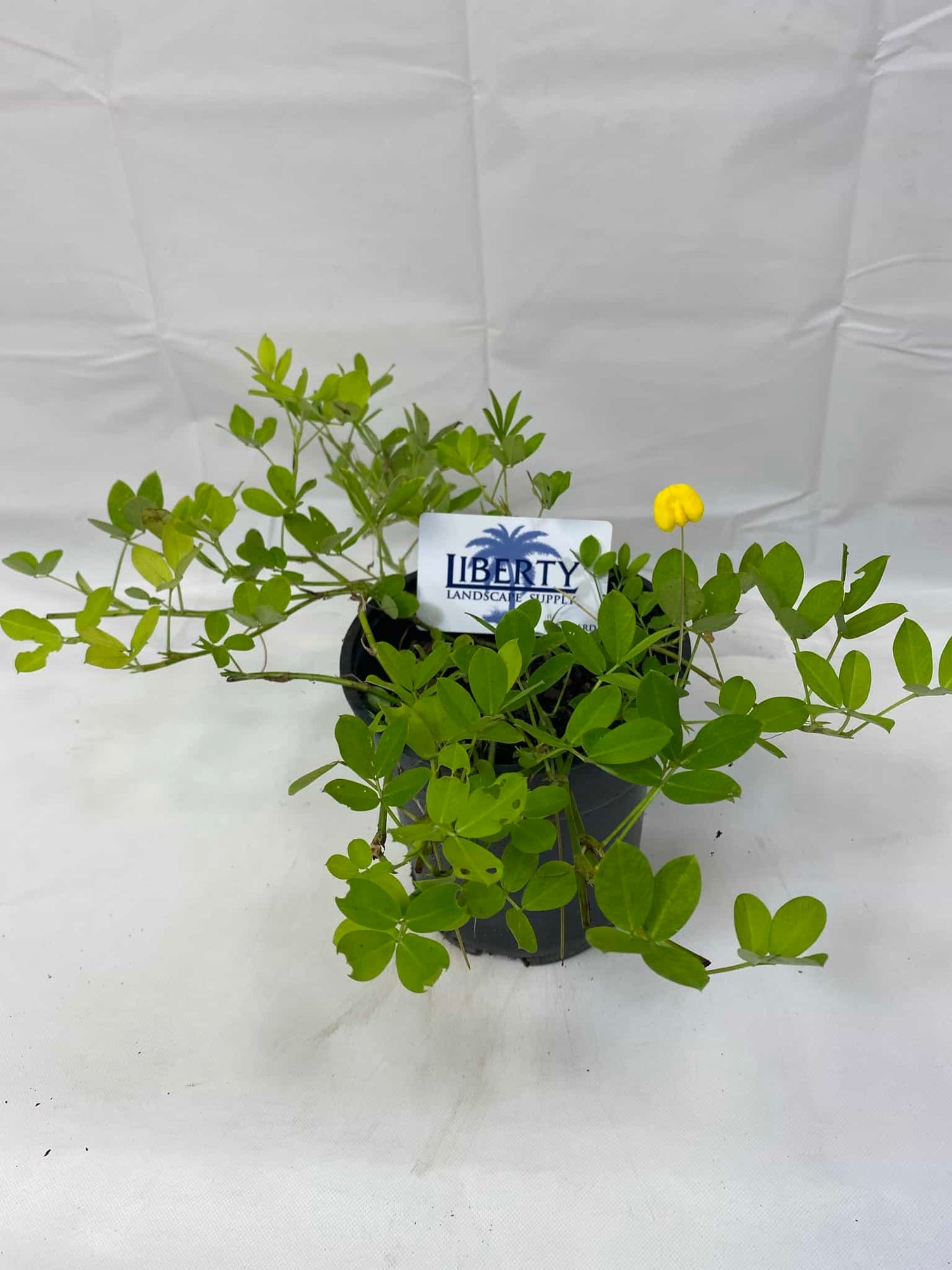
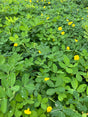
Arachis glabrata, commonly known as perennial peanut, is a low-growing perennial groundcover valued for its bright yellow, peanut-like flowers and dense, spreading habit. It is commonly used as a low-maintenance alternative to turfgrass, providing excellent erosion control while attracting pollinators. Its drought tolerance and ability to thrive in hot, sunny conditions make it well suited for North Florida and South Georgia landscapes.
Care Needs:
• Light: Full sun
• Water: Water regularly until established; once established, water during extended dry periods
• Pruning: Mow or trim occasionally to maintain a neat appearance and encourage dense growth
• Fertilizer: Fertilizer is rarely needed; if desired, apply a balanced fertilizer in early spring to encourage growth
Attributes
-
Plant TypePerennial groundcover
-
USDA Zone8 - 11
-
OriginFlorida and southeastern US
-
ToxicityNot known to be toxic
-
Mature Height4-8 in
-
Mature WidthSpreads indefinitely by rhizomes
-
Soil PreferenceWell-drained; preforms well in sandy soils
-
Spacing12-18 in
-
Growth RateModerate to fast
-
Critter ResistantYes
-
Salt ToleranceModerate
-
Cold ToleranceModerate
-
FloweringYes
-
Bloom PeriodSpring through fall
-
Flower ColorYellow
-
Stem ColorGreen
-
Foliage ColorGreen