Hosta
Delivery and Shipping
Delivery and Shipping
Delivery timeframes are estimates and are not guaranteed. Please note that delivery is to the end of the truck only and does not include installation. For additional details, please review our full Shipping and Delivery Policy.
Hosta
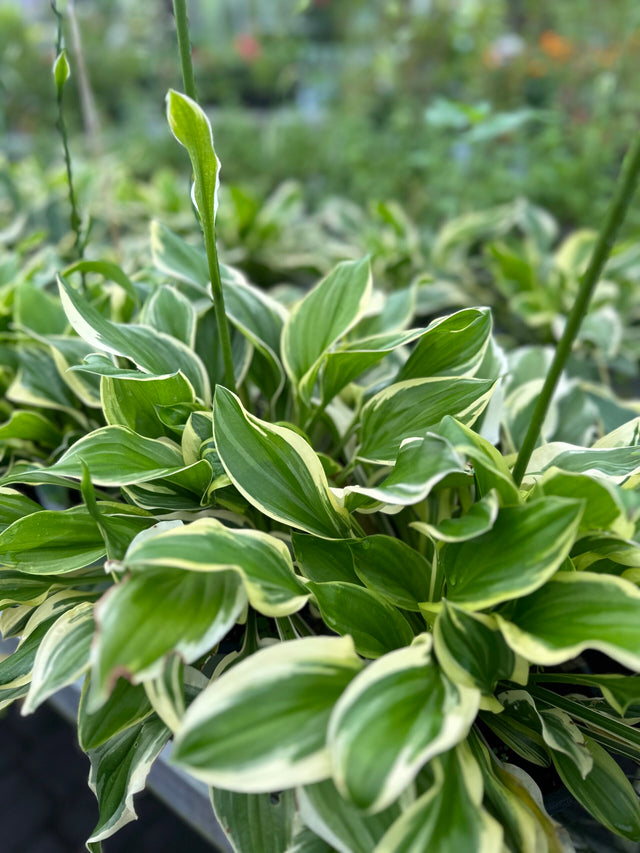
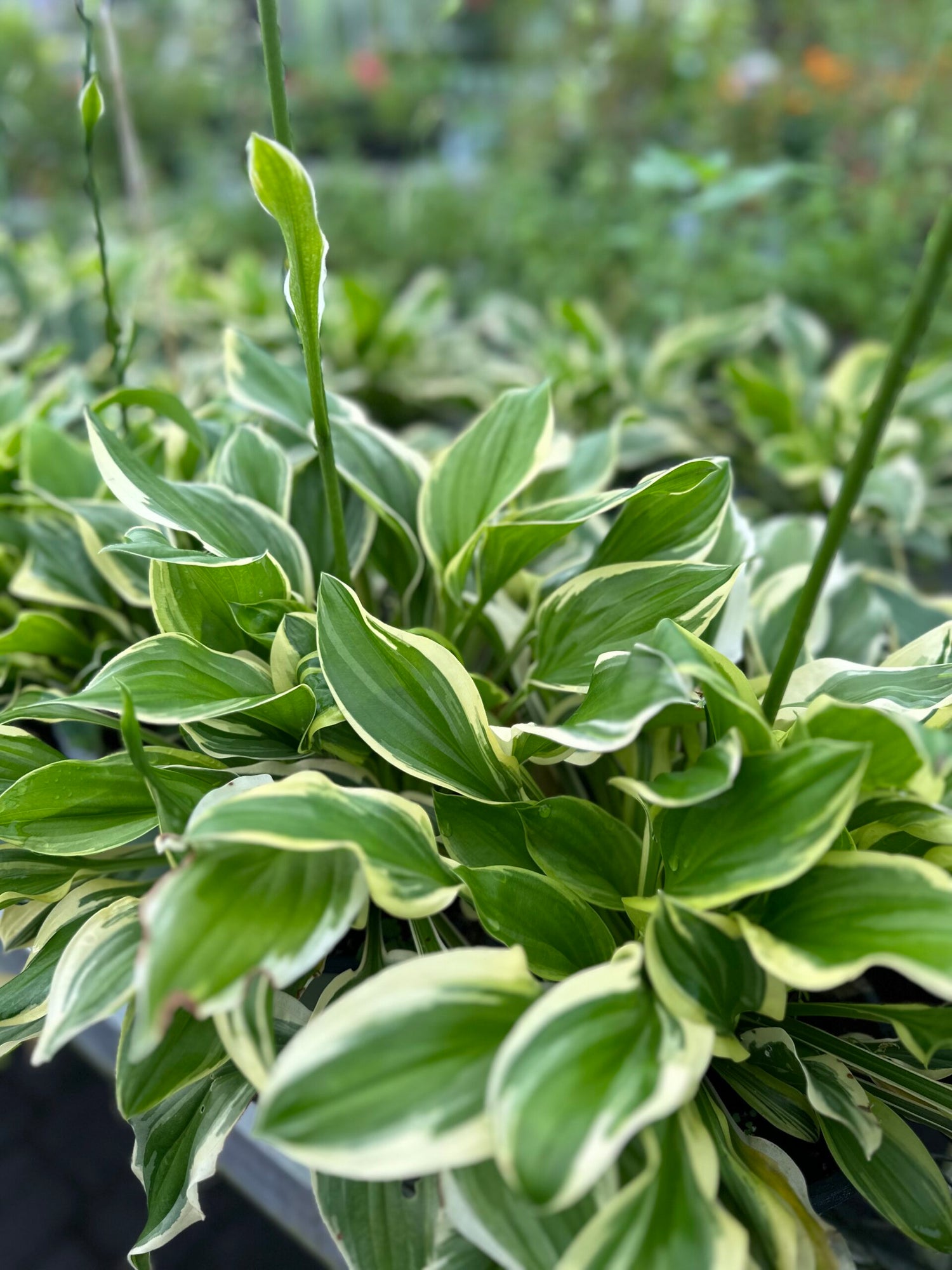
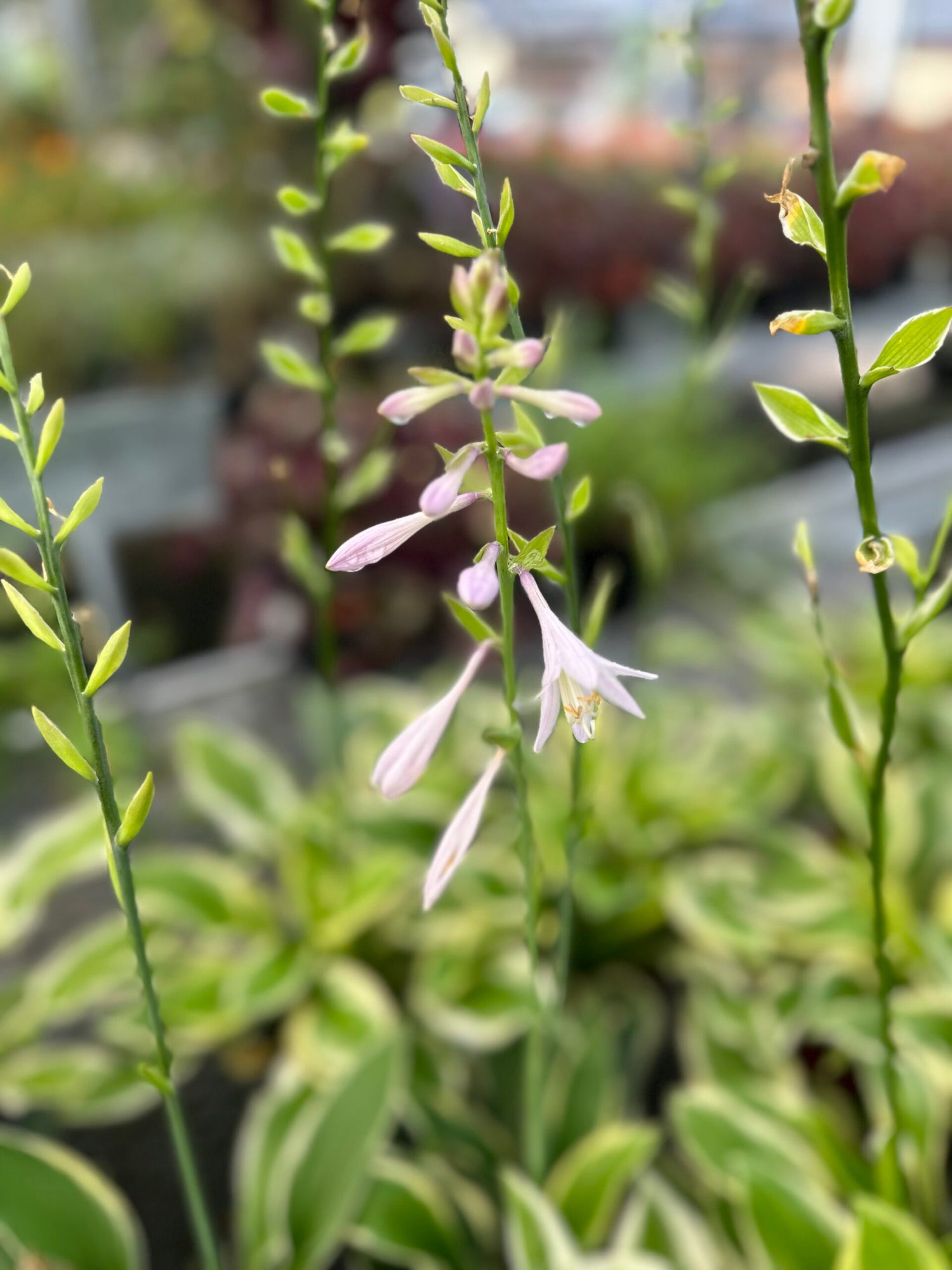
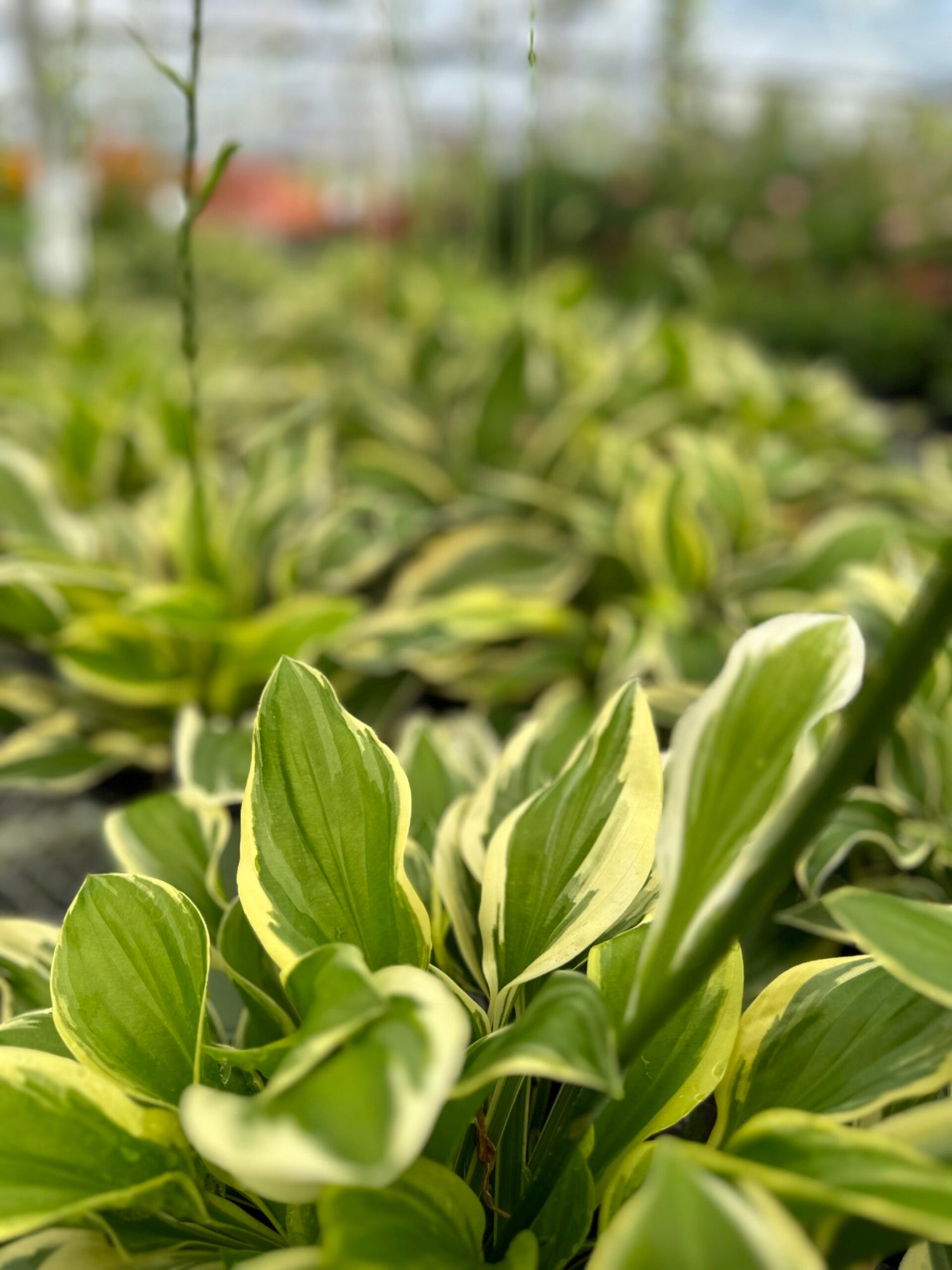
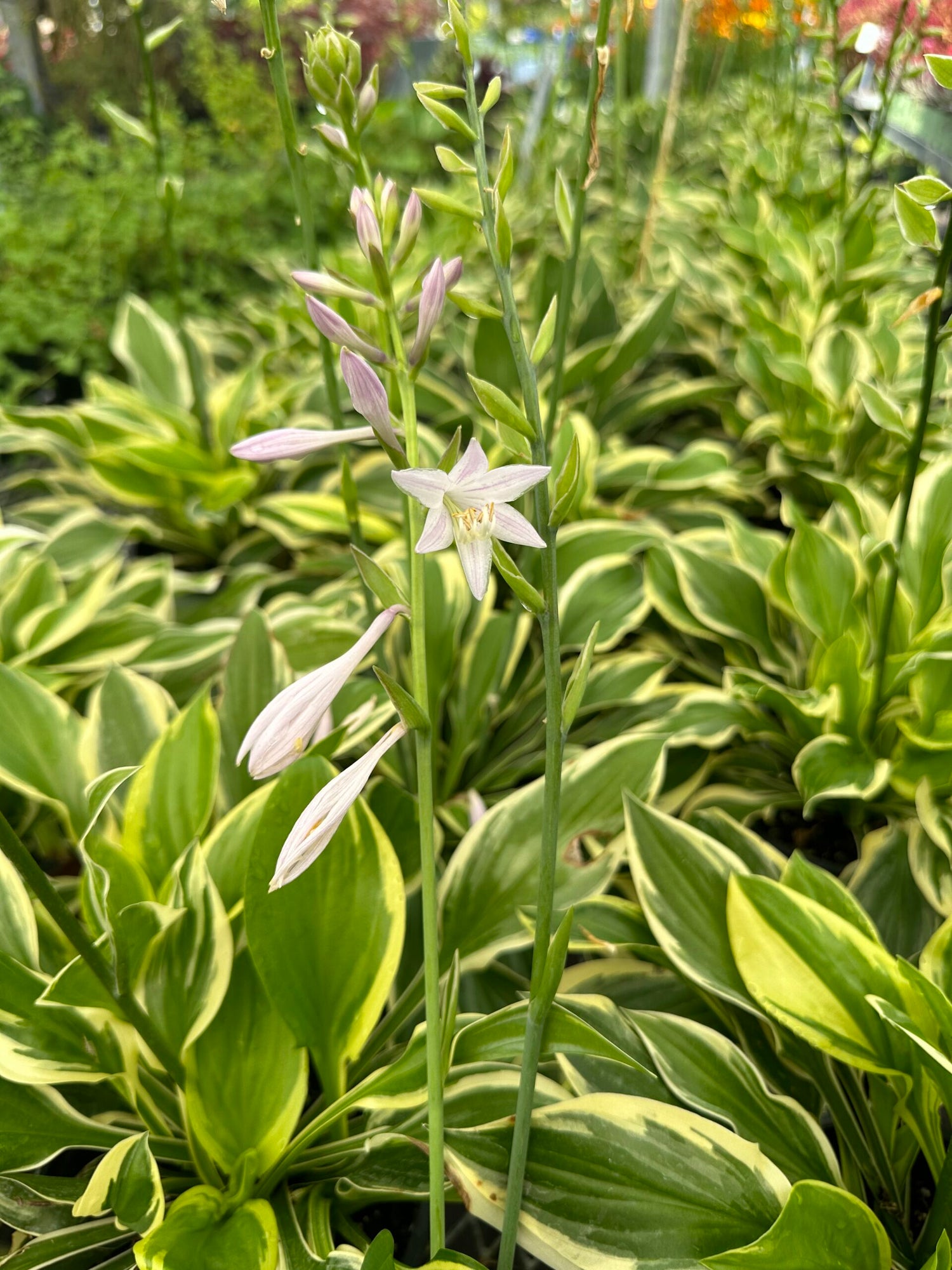
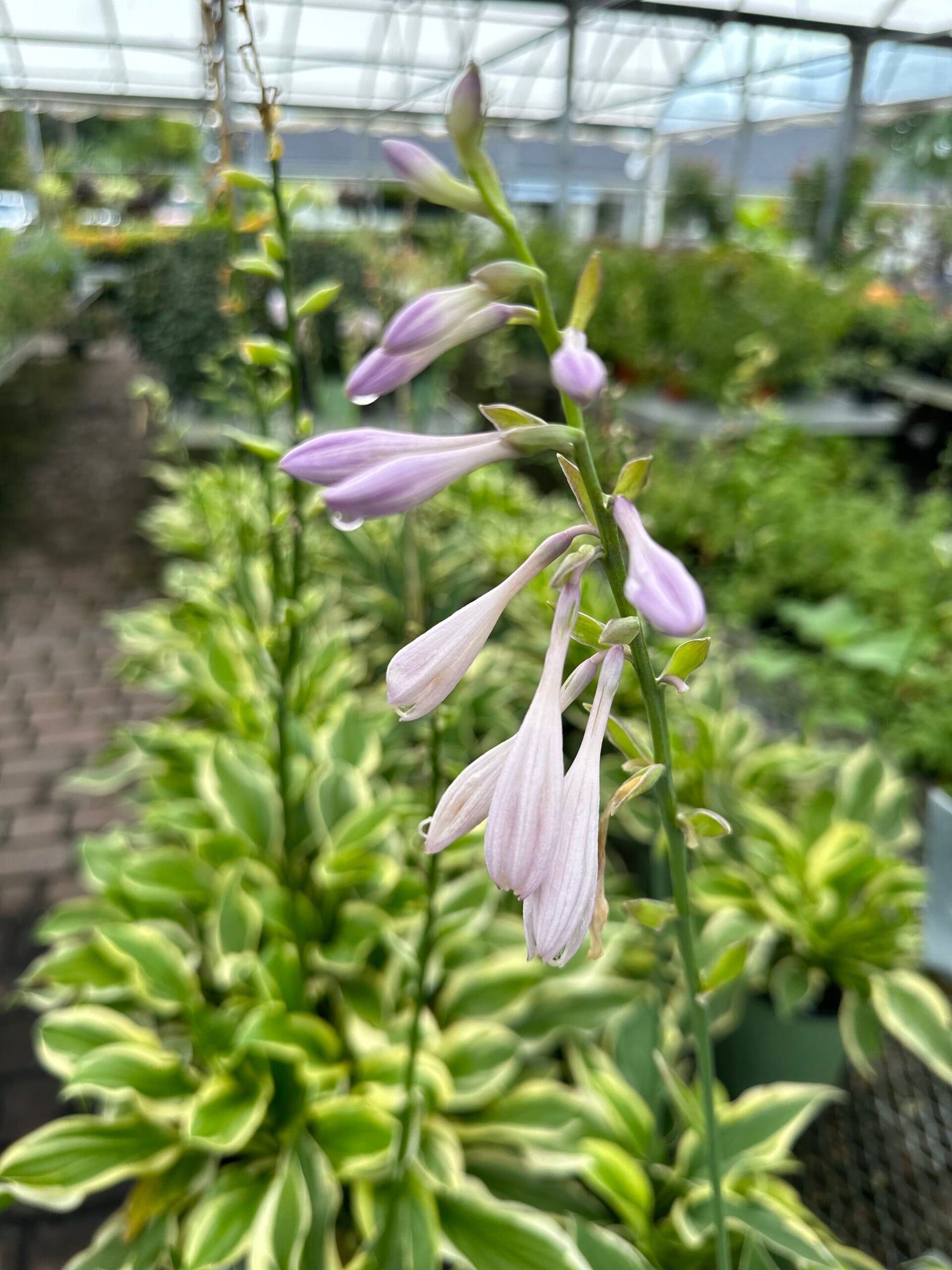
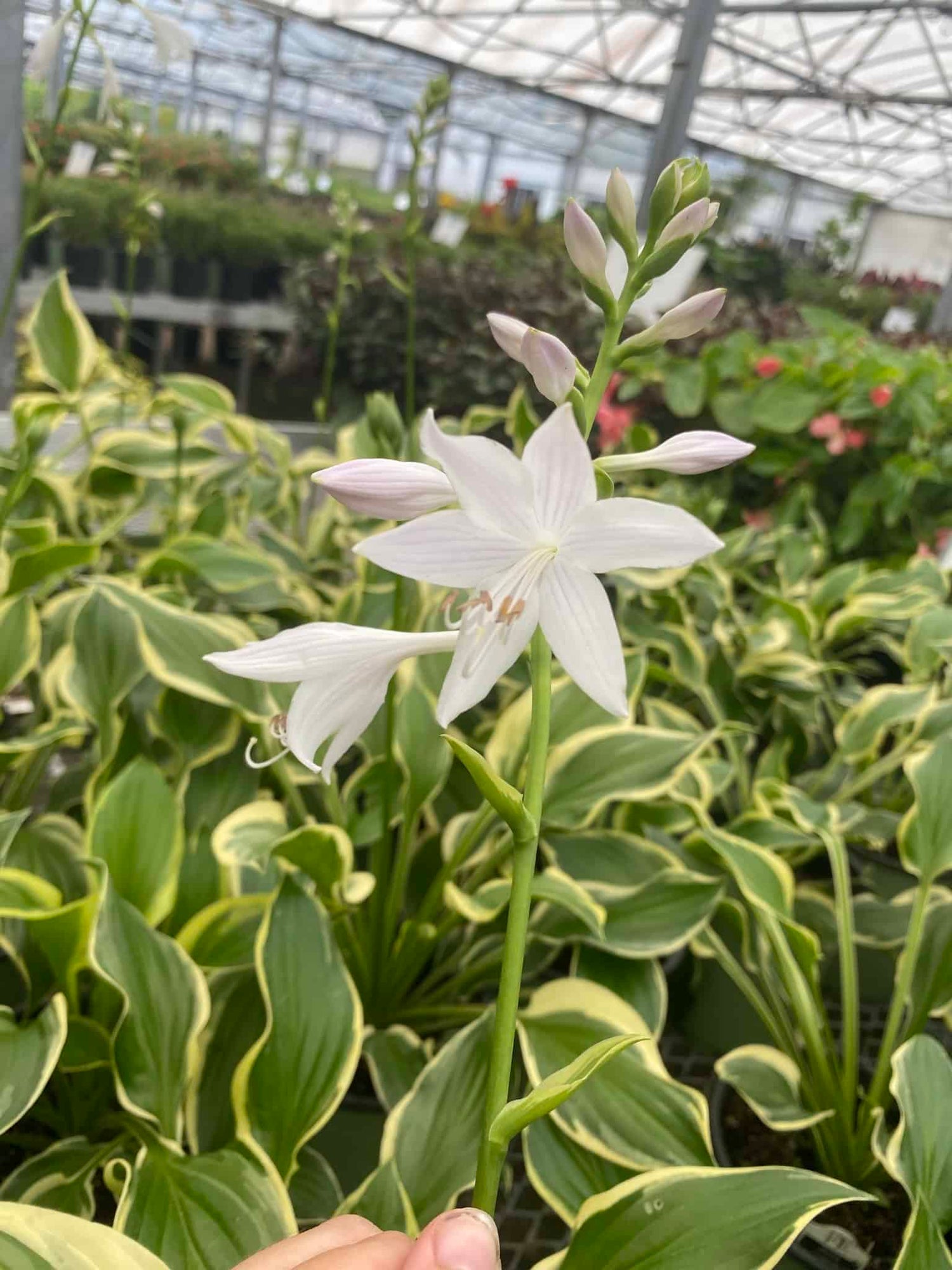
Hosta spp., commonly known as hosta or plantain lily, is a shade-loving perennial prized for its lush foliage and elegant summer flower spikes. Available in a wide range of sizes and leaf colors, hostas add bold texture and season-long interest to shaded gardens, borders, woodland plantings, and containers.
Care Needs:
• Light: Partial sun to shade
• Water: Keep soil consistently moist but well-drained; water regularly during dry periods
• Pruning: Remove spent flower stalks after blooming and trim away damaged or dead foliage as needed; cut back foliage after frost
• Fertilizer: Apply a balanced, slow-release fertilizer in early spring as new growth emergeS
Attributes
-
Plant TypeHerbaceous perennial
-
USDA Zone3 - 9
-
OriginJapan, Korea, and China
-
ToxicityToxic to dogs, cats, and horses if ingested
-
Mature Height1-3 ft
-
Mature Width1-6 ft
-
Soil PreferenceRich, well-drained, soil high in organic matter
-
Spacing18-48 in
-
Growth RateModerate
-
Critter ResistantNo
-
Salt ToleranceLow
-
Cold ToleranceHigh
-
FloweringYes
-
Bloom PeriodSummer
-
Flower ColorLavander \White
-
Stem ColorGreen
-
Foliage ColorGreen | Varigated